

Elderly Care Maid in Singapore: The Complete Guide (2026)
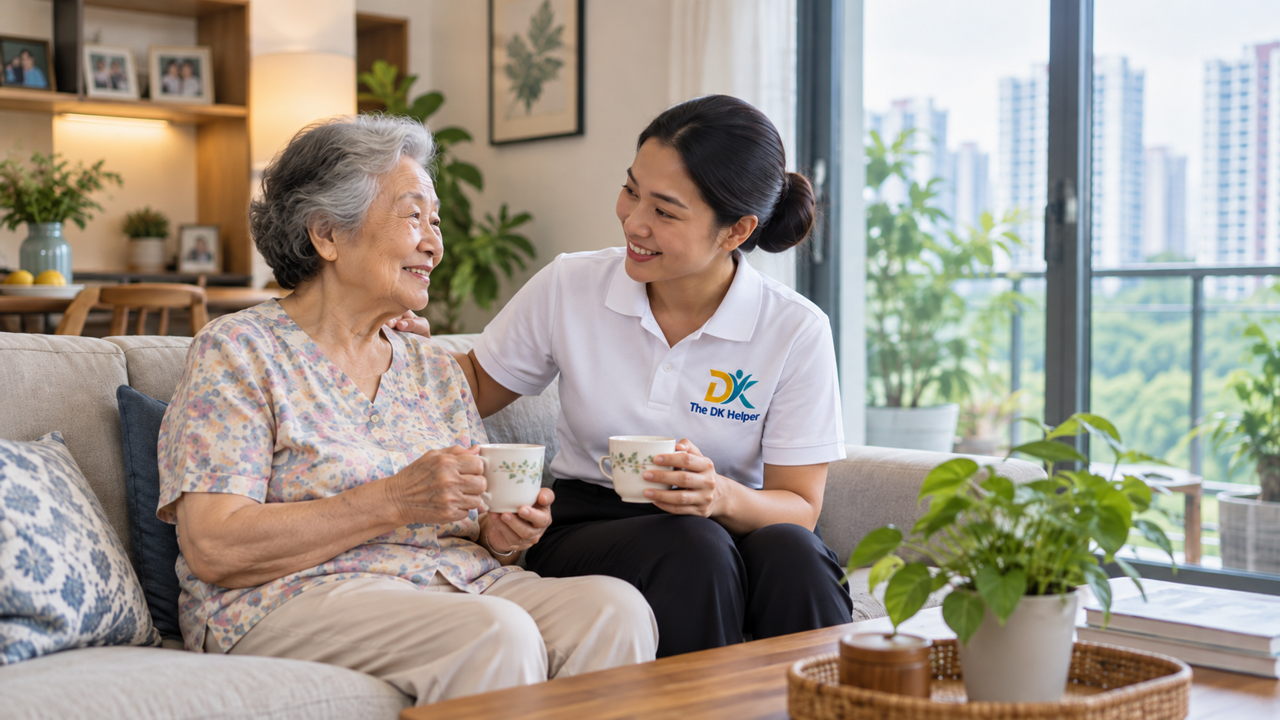
If you have found yourself googling “maid for elderly care” late at night while worrying about mum or dad, you are honestly in good company. Caring for an aging parent while juggling work and your own family is one of the toughest balancing acts a lot of Singaporean households face, and a trained helper can genuinely lighten that load. This guide walks through what an elderly care maid actually does, how much it tends to cost, what subsidies you might qualify for, and how to pick an agency you can trust. We hope it makes the whole process feel a bit less overwhelming.
How Do I Know If My Parent Needs a Maid?
There is rarely one big moment that makes it obvious. For some families it is noticing mum has started forgetting her medication, and for others it is realising dad is having a harder time getting around the flat safely on his own. If your loved one needs regular help with everyday tasks like bathing, dressing, or moving around, but does not need round the clock medical care, a helper trained in caregiving duties is often a great fit. If their needs are more medical, it is worth having a chat with a doctor first about whether a nursing service should work alongside, or instead of, a helper.
Caregiver vs Maid: What Is the Actual Difference?
This trips a lot of families up, so let us clear it up simply. A professional caregiver, such as one from a home care agency, typically provides medically related support and may have nursing or allied health training. A domestic helper, even one experienced in elderly care, focuses on daily living tasks such as bathing, dressing, meal preparation, medication reminders, mobility support, and companionship. She is not a substitute for a nurse and should never be expected to carry out clinical procedures. If your loved one’s needs are mostly about daily living and company, a helper usually makes sense. If they need regular medical attention, you may need a caregiver or nursing support as well.
What Does an Elderly Care Maid Actually Do Day to Day?
A helper caring for an elderly person usually helps with bathing and grooming, preparing meals suited to any dietary needs, reminding them to take medication on time, helping them move around the home safely to prevent falls, keeping the home clean and hazard free, and simply keeping them company through the day. It is worth being upfront with your agency about your loved one’s specific needs, whether that is mobility support, dementia related supervision, or mainly company and light assistance, so they can match you with someone who genuinely has the right background.
What If My Parent Has Dementia?
This is one of the questions we hear most often, and it is a fair one to ask. Some helpers do have real experience working with dementia or Alzheimer’s, including knowing how to communicate gently, redirect confusion calmly, and keep your loved one safe from wandering or accidents. Do not be shy about asking an agency directly whether they have candidates with this specific experience rather than assuming any elderly care background covers it. If dementia related behaviour is more advanced, it is worth discussing additional support with a doctor alongside your helper’s day to day care.
Fresh Helper or Transfer Maid for Elderly Care?
This comes up a lot too. A transfer maid, someone already working in Singapore, can often start within one to two weeks and usually comes with some local experience already, which can be reassuring if you need help sooner rather than later. A fresh helper takes longer to arrive but gives you the chance to train her exactly the way your family needs from day one. If your situation feels urgent, a transfer maid with confirmed caregiving experience is often the faster, more practical route. Our fresh maid versus transfer maid guide goes into more detail if you would like to weigh this up properly.
Choosing the Right Nationality for Your Household
Both Indonesian and Myanmar helpers are commonly and successfully placed in elderly care roles in Singapore. What matters more than nationality is the individual helper’s actual caregiving background, so ask specifically about her prior experience rather than assuming based on where she is from. Language and dialect can also matter, especially if your loved one is more comfortable speaking Mandarin, Hokkien, or another dialect, so mention this to your agency early on. If you want a closer look at what each group tends to bring to the role, our guides on Indonesian maids for elderly care and Myanmar helpers for elderly care go through this in more depth.
What About Part Time Help?
Plenty of families search for a part time maid for elderly care, so it helps to know that a domestic helper hired on a Work Permit is meant to live in and work for one household, rather than being booked for just a few hours a day. If flexible or occasional support is what you actually need, a part time home care service or a caregiver booked for specific hours may suit you better than a live in helper. Feel free to reach out and tell us your situation, we are happy to point you in the right direction even if it is not a live in helper you end up needing.
The Real Cost of Hiring an Elderly Care Maid
Budgeting for an elderly care helper involves the same core pieces as any domestic helper hire: the agency fee, the security bond, insurance, the monthly levy, and her salary, though salaries for helpers with confirmed caregiving experience often sit a little higher than a general household role. Our guide to maid agency fees in Singapore breaks down what to expect for each of these so you can plan ahead with a realistic number in mind rather than a rough guess.
Good News on the Levy
If your household includes a Singapore Citizen or Permanent Resident aged 67 or older living at the same address, you likely qualify for the concessionary FDW levy of just $60 a month, instead of the normal rate. This is granted automatically based on MOM’s records once the eligibility is met, so in most cases there is nothing extra you need to apply for. It is a nice bit of relief on an otherwise long list of costs.
Grants Worth Knowing About
There are two separate grants worth understanding here, and it is easy to mix them up. The Home Caregiving Grant is a monthly cash payout, up to $600 depending on your loved one’s assessed needs, that families can use flexibly toward caregiving costs, including a helper’s expenses. The Caregivers Training Grant works differently. It helps cover the cost of sending your helper for an approved caregiving course, such as the Basic Eldercare Course, with eligible families starting at $400 and receiving a $200 top up every April, capped at $400 at any one time. Migrant domestic workers are eligible to use the training grant as long as they are the main person caring for a qualifying family member, so it is a genuinely useful way to get your helper properly trained without footing the whole bill yourself.
What to Ask an Agency Before You Commit
A good agency should be happy to talk specifics with you rather than just handing you a shortlist. Ask how much genuine caregiving experience their candidates have, not just whether elderly care is ticked as a box on a profile. Ask what their replacement policy looks like if the placement does not work out, whether they offer any post placement check ins, and how they screen for patience and reliability, qualities that matter enormously in this particular role. You can also check an agency’s customer ratings directly through MOM’s official ratings page and verify its licence through the EA Directory before signing anything.
How DK Helper Can Help
At DK Helper, we take the time to understand exactly what your family needs before recommending anyone, whether that is a helper experienced with mobility support, dementia care, or simply someone warm and patient who can keep your parent good company. We support both fresh and transfer placements and stay involved after your helper starts, not just until the contract is signed. Have a look at our full maid services or reach out and tell us a bit about your situation.
Let’s Find the Right Fit Together
Choosing someone to help care for a parent is personal, and it is completely normal to want to get it right. If you would like to talk through your family’s needs, reach out through our maid services page and we will help you figure out the best next step, at a pace that feels comfortable for you.
Frequently Asked Questions
What is the difference between an elderly care maid and a professional caregiver in Singapore?
A caregiver typically provides medically related support and may have nursing or allied health training, while a domestic helper focuses on daily living tasks such as bathing, meal preparation, medication reminders, and companionship. A helper is not a substitute for medical care.
How much does an elderly care maid cost per month in Singapore?
Costs include the agency fee, a security bond, insurance, the monthly levy, and the helper’s salary, which tends to run a little higher for confirmed caregiving experience. Ask each agency for a full itemised quote so you can compare fairly rather than relying on a single lump sum figure.
Can I get a subsidy or concessionary levy for hiring a maid for elderly care in Singapore?
Yes. If your household has a Singapore Citizen or Permanent Resident aged 67 or above at the same address, you generally qualify for the concessionary levy of $60 a month, granted automatically based on MOM’s records. The Home Caregiving Grant and Caregivers Training Grant may also help, depending on your family’s situation.
What is the best maid agency for elderly care in Singapore?
There is no single best answer for every family, since it depends on the specific care your loved one needs and how well the agency screens for genuine caregiving experience. Look for a valid MOM licence, transparency about fees, good customer ratings, and an agency willing to have a real conversation about your household’s situation.
Should I hire a transfer maid or a fresh helper for elderly care?
A transfer maid can usually start faster and often already has some local experience, which can help if your need feels urgent. A fresh helper takes longer to arrive but lets you shape her training from the very start. Either can work well, so it really comes down to your timeline and preferences.
Can a part time maid handle elderly care in Singapore, or do I need a live in helper?
A domestic helper on a Work Permit is meant to live in and work for one household rather than being booked for a few hours at a time. If flexible or occasional support is what you are after, a part time home care service may fit better, so it is worth exploring both options before deciding.
Can your helpers handle a parent with dementia?
Some helpers do have real experience working with dementia or Alzheimer’s, including gentle communication and safety awareness. Always ask your agency directly about a candidate’s specific experience with dementia care rather than assuming a general elderly care background covers it.
What is the maximum age limit for a foreign domestic worker in Singapore?
For a new application, a helper generally needs to be below 50 years old. Existing helpers can have their Work Permit renewed up to age 60, and in some cases MOM may consider renewal beyond that on appeal, taking into account her health and experience.
What nationality of helper is best suited for elderly care?
Both Indonesian and Myanmar helpers are commonly and successfully placed in elderly care roles. What matters most is the individual helper’s actual experience and temperament rather than her nationality, so focus your questions on her specific caregiving background.